Northern Europe
Scots Pine (heartwood)
Pinus sylvestris
Durability
32EN 350
15 yrs modelled mean service life
Stability
50WI-INTERNAL
Stability rating: Moderate
Fire performance
50EN 13501-1 / EN 1995-1-2
β₀ = 0.65 mm/min · D-s2,d0
Carbon stored
81EN 16449
807 kg CO₂e/m³ stored
Natural durability
66
Maintenance Profile
Use classes untreated
UC
Typical Use Classes
- Density
- 500 kg/m³
- Bending strength
- 83 N/mm²
- Stability
- Moderate
- Carbon stored
- 0.83 t CO₂e/m³
- Durability
- DC 3–4 heartwood; sapwood DC 5 but treatable
- Service life
- 15–30 yrs façade; 40+ preservative-treated
- Fire performance
- Euroclass D-s2,d0 · charring 0.65 mm/min
- Cost index
- 34
The figures above are WoodIntel editorial estimates for orientation only. Where a standards-referenced record exists for this species, it is shown below with full provenance.
Standards-referenced record
Scots Pine (heartwood), as the standards define it
Each value below carries its derivation and the standard it comes from. Tap a marker to open the provenance.
- Density at 12 % MC
- 500kg/m³
- Natural durability
- DC 4
- Use classes untreated
- UC 1–4 when preservative treated
- Reaction to fire
- D-s2,d0
- Design charring rate
- 0.65mm/min
- Biogenic carbon stored
- 807kg CO₂e/m³
ProvenancemeaMeasuredpubPublishedderDerivedestModel estimate
Colour ageing
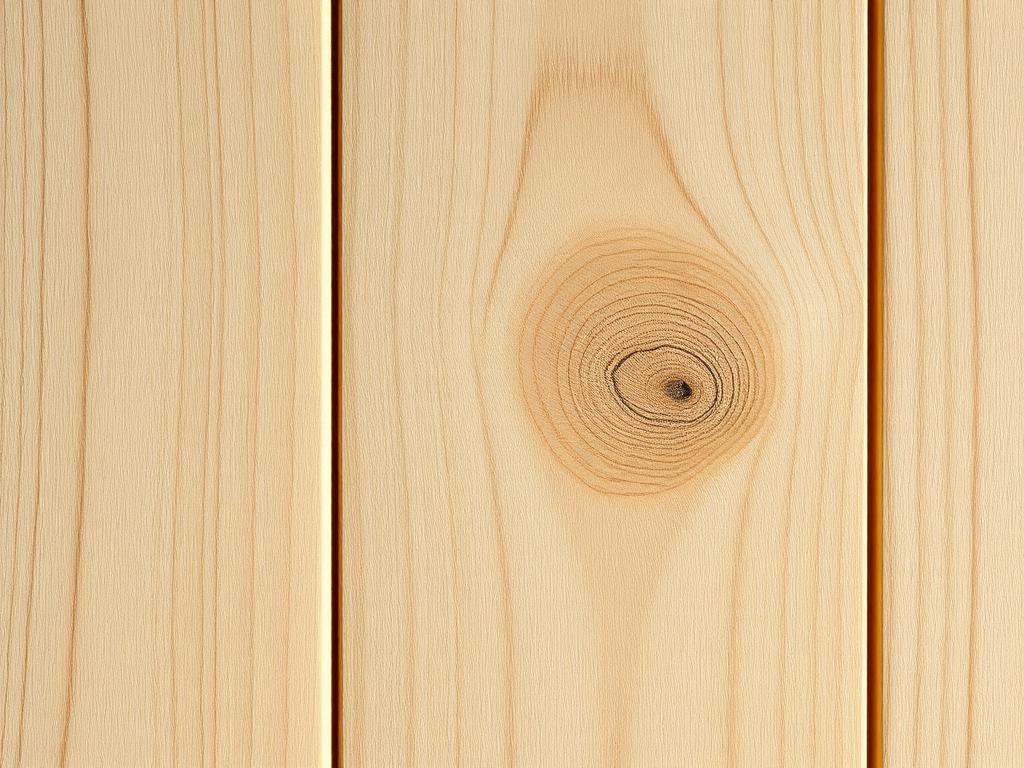
Golden-resinous → silver-grey in 2–3 years
Typical applications
- Cladding
- Preservative-treated joinery
- Decking
- Framing
AI recommendation
The most treatable European softwood: sapwood accepts full penetration, which makes it the pragmatic use class 3–4 option where budget rules. Untreated heartwood is a temperate-only choice.