Siberia, Northern Russia
Siberian Larch
Larix sibirica
Durability
38EN 350
17 yrs modelled mean service life
Stability
50WI-INTERNAL
Stability rating: Moderate
Fire performance
50EN 13501-1 / EN 1995-1-2
β₀ = 0.65 mm/min · D-s2,d0
Carbon stored
95EN 16449
952 kg CO₂e/m³ stored
Natural durability
75
Maintenance Profile
Use classes untreated
UC
Typical Use Classes
- Density
- 590 kg/m³
- Bending strength
- 93 N/mm²
- Stability
- Moderate
- Carbon stored
- 0.95 t CO₂e/m³
- Durability
- DC 3 (moderately durable)
- Service life
- 25–40 yrs façade
- Fire performance
- Euroclass D-s2,d0 · charring 0.60 mm/min
- Cost index
- 58
The figures above are WoodIntel editorial estimates for orientation only. Where a standards-referenced record exists for this species, it is shown below with full provenance.
Standards-referenced record
Siberian Larch, as the standards define it
Each value below carries its derivation and the standard it comes from. Tap a marker to open the provenance.
- Density at 12 % MC
- 590kg/m³
- Natural durability
- DC 3
- Use classes untreated
- UC 1–3 untreated
- Reaction to fire
- D-s2,d0
- Design charring rate
- 0.65mm/min
- Biogenic carbon stored
- 952kg CO₂e/m³
ProvenancemeaMeasuredpubPublishedderDerivedestModel estimate
Colour ageing
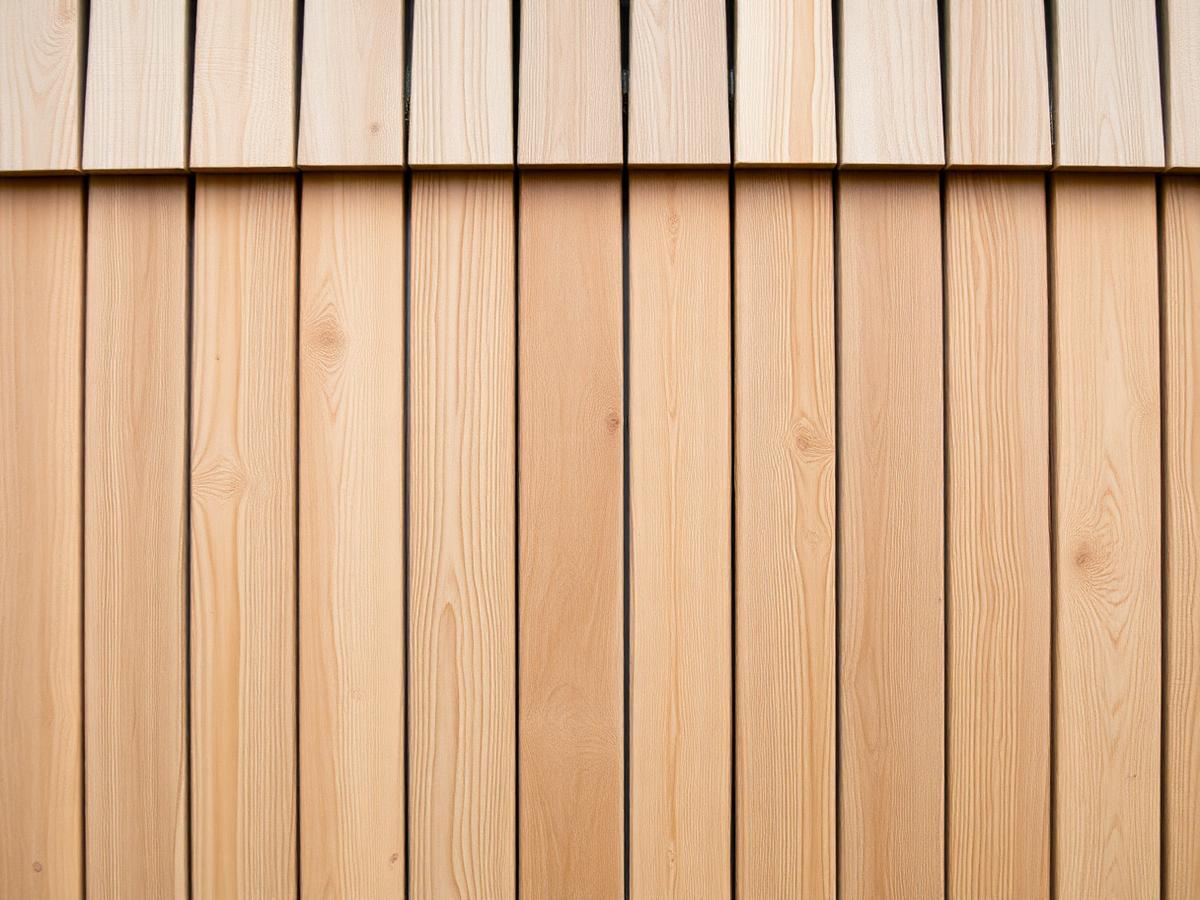
Honey-amber → uniform silver in 2–4 years
Typical applications
- Façade cladding
- Decking
- Screens
- Marine-adjacent
AI recommendation
A reliable default for exposed façades in temperate maritime climates. Watch resin bleed on south elevations and use stainless fixings near coastlines.